
The Porsche 911 sits in automotive royalty, but Australian buyers face a brutal reality: prices that would make a Stuttgart engineer wince. A decent 1980s Carrera 3.2 that might sell for around $60,000 in California can easily cost $120,000 here – and that’s before you uncover the expensive surprises hiding under that iconic silhouette.
Porsche’s internal naming system reads like German bureaucracy gone mad. 996, 997, 991 – these codes mean little to most enthusiasts, yet understanding the generations is the difference between buying a future classic and buying into a money pit with known engine failures.
This guide breaks down which vintage 911 models are worth your hard‑earned dollars, exposes the common problems that drain bank accounts and explains why some generations command premiums while others depreciate like rental cars. From the air‑cooled heritage through to modern water‑cooled engineering, the 911 covers six decades of evolution – and not every chapter deserves celebration.
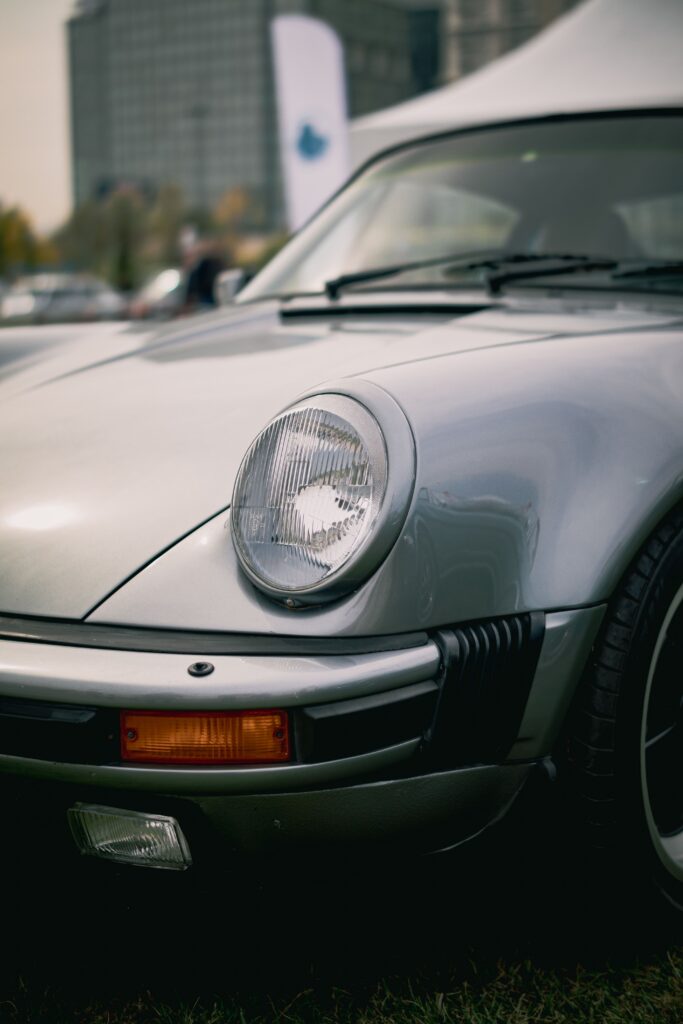
Porsche’s generation codes tell you which camp your 911 sits in: air‑cooled aristocracy or water‑cooled newcomer. Each era drives, sounds and costs differently – and that directly impacts your ownership experience and your wallet.
Are pure vintage motoring. These air‑cooled cars deliver the raw, mechanical connection that made the 911 legendary. In return, you get higher maintenance costs, a need for specialist knowledge and price tags that reflect true classic status.
Added power steering and ABS while keeping air‑cooled simplicity. These “bridge” cars offer modern usability with old‑school character, which is why they’re increasingly popular with buyers who want classic 911 DNA without stone‑age ergonomics.
Is the sweet spot for many. It closed the air‑cooled era with Porsche’s most refined engineering - sophisticated enough for daily use, yet still delivering the sound and feel that most water‑cooled models lack.
Generation choice isn’t just nostalgia. Parts availability, specialist knowledge and service costs vary massively between eras. A 1970s 911 needs a very different kind of workshop to a 1990s example. Having the right technicians on your side will make or break your ownership experience.
Most vintage 911s in Australia arrived as parallel imports during the 1980s and 1990s, which created a mixed bag of specifications and histories that still haunt the market today.
These narrow‑bodied “long‑hood” cars are the 911 in its purest form. The stretched bonnet and chrome bumpers define the classic silhouette – but that mechanical simplicity comes with ownership challenges that will test how badly you really want one.
Early 2.0‑ and 2.2‑litre engines make modest power by modern standards, yet deliver an unfiltered driving feel modern cars can’t touch. Carburettors need regular attention, and the rudimentary heating system makes winter driving an exercise in character building.
Rust is the number‑one enemy in Australia’s coastal climate. Pay close attention to sills, battery boxes and rear suspension mounting points. Extensive bodywork can exceed the car’s value frighteningly fast.
Impact bumpers arrived in 1974 and changed the 911’s face forever. Underneath, though, the cars gained more sophisticated engineering. They offer better day‑to‑day usability while keeping the air‑cooled character purists chase.
The Carrera 3.2 (1984–1989) is the hero of this era. Its 3.2‑litre engine makes strong, reliable power, and improved electrics and build quality make these cars more dependable than earlier generations. In Australia, expect to budget roughly $100,000–$150,000 for a decent example.
This period saw fuel injection replace carburettors, improving reliability and cold‑start behaviour. Early CIS systems still need specialist knowledge to set up and maintain properly – this is not work for your average suburban mechanic.
Model diversity in this era creates opportunities. You can hunt for everything from relatively simple Carreras to wild Turbo variants that command serious money, depending on how brave your budget is.
The Carrera badge is the spine of the 911 range, but the performance story really comes alive when you look at the Turbos and GT cars. Early Carreras focused on feel and balance over outright speed; modern versions deliver supercar acceleration in something you can drive to work. Knowing where Turbos and GT3 RS models sit on that spectrum helps you avoid buying into performance you can’t afford to run.
The original 930 Turbo (1975–1989) earned its “widowmaker” nickname with explosive boost and handling that punished mistakes. Good examples command serious money – think $200,000+ in Australia – and you should expect specialist maintenance that can easily run into five figures a year if you’re fussy and use the car.
Modern Turbo and Turbo S models, like the 992 generation, deliver 640 hp through sophisticated all‑wheel‑drive and electronics. The performance is outrageous, but every added system is another potential failure point compared with simpler air‑cooled cars.
Turbo ownership almost always demands deeper pockets than equivalent Carrera models – both for the buy‑in and for ongoing maintenance bills that can make even confident buyers nervous.
The GT3 RS line is Porsche’s purest expression of motorsport engineering in a road‑legal 911. These naturally aspirated cars put track performance ahead of comfort, with aggressive aero, stiff suspension and stripped‑back interiors that separate committed drivers from people who just want the badge.
Values have climbed steadily as collectors recognise their place in the 911 story. The last air‑cooled racing‑derivative cars from the 1990s now change hands for seven figures internationally, and Australian‑delivered examples carry premiums that often defy logic.
These performance variants show how the 911 kept up with changing regulations and expectations while staying brutally fast on road and track. They are halo cars – incredible to drive and own if you understand what you’re getting into, and expensive mistakes if you don’t.
Intermediate shaft (IMS) bearing failures haunt many water‑cooled 911s from the late 1990s through the mid‑2000s. A car you bought for $80,000 can suddenly need a $15,000 engine repair. The IMS bearing supports the shaft that drives the camshafts and oil pump; if it fails and isn’t upgraded in time, it can take the entire engine with it.
On M96/M97‑equipped cars (many 996 and early 997 Carreras), bore scoring is the slow‑motion grenade that owners fear most. The cylinder walls develop deep scratches, letting combustion gases and oil slip past the rings and slowly destroying the internals.
Early warning signs include rising oil consumption, sooty tailpipes and metallic particles in oil samples. There is no cheap fix: proper repair means a full engine rebuild or replacement, often in the $40,000–$60,000 range in Australia – more than some cars initially cost to buy.
European cars and Australian heat are not natural friends, and vintage 911s prove the rule. Decades‑old wiring looms, tired relays and ageing control modules cause intermittent faults that frustrate owners and mechanics alike.
The 996 and 997 generations are particularly known for window regulators, ignition coils and air‑conditioning components that weren’t designed with Australian summer extremes in mind. Add in moisture, dust and DIY stereo or alarm installs and you’ve got a recipe for random electrical gremlins.
Preventive maintenance and proper inspections are always cheaper than crisis management. Many Australian owners only learn that after paying for “mystery” electrical faults and major engine work that a pre‑purchase inspection and known preventative upgrades could have flagged earlier.
Australian 911 pricing is a brutal mix of import duties, compliance costs and simple scarcity. That pristine 1987 Carrera 3.2 advertised for €45,000 in Germany can easily become a $140,000 proposition here once shipping, compliance work and dealer margins stack up like compound interest.
ADR compliance forces expensive changes on many Euro‑spec 911s. Headlight conversions, speedometer changes and emissions upgrades often add $8,000–$12,000 before the car is even legal on Australian roads – and that’s before paint, tyres or suspension refreshes.
A lot of older 911s came in as personal or grey imports in the 1990s and 2000s, which has left Australia with a mixed bag of specifications. That variety can complicate parts sourcing, wiring diagrams and maintenance planning decades later.
Genuine Porsche parts are priced to make a cardiologist wince, and aftermarket options range from brilliant to “never again.” A basic clutch replacement can involve $3,500 in parts alone, before you even pay for the specialist labour to fit it.
Buying from European suppliers can save money, but three‑week shipping delays will test your patience in the middle of a restoration. Local stockists can charge close to double for having parts on the shelf – the Australian “parts tax” in full effect.
Smart owners build relationships with specialists who know when to insist on genuine components and when a high‑quality alternative will do the job without stranding you. That judgement call – which part, from where, for which generation – is where a shop like Cruisin Automotive earns its keep. Feel free to explore other restoration projects we have completed.
Singer Vehicle Design changed the game for vintage 911s, proving that modern engineering can enhance, not ruin, classic lines. Their California‑built air‑cooled masterpieces now cost well north of $500,000 USD, but the real impact is how their philosophy has filtered into “normal” builds worldwide.
Traditional concours restoration chases period‑correct everything – factory specs, original finishes, OEM‑only parts – right down to the last bolt. The outlaw movement takes a different view: keep the 911’s soul, but update performance, reliability and visuals where it counts.
Modern air‑conditioning, electronic ignition, better lighting and lighter components can fix genuine weaknesses in older 911s without killing what makes them special. These upgrades make sense for people who actually drive their cars, not just park them on trailers and polish trophies.
A handful of Australian workshops now offer Singer‑inspired or “outlaw” style builds, blending European restoration know-how with local fabrication skills honed on decades of muscle‑car and hot‑rod work. Realistically, you’re looking at roughly $80,000–$150,000 for a comprehensive outlaw build on top of the cost of a solid donor car.
Specialists in Melbourne, Sydney and Perth increasingly source rare donor shells, engines and genuine Fuchs wheels through European contacts. The trade‑off is time: international parts hunting and shipping can stretch project timelines well beyond the first estimate.
Your modification path will shape both how the car feels to drive and how future buyers see it. If your priority is weekend blasts and road trips, a well‑executed outlaw build can be the sweet spot. If your priority is concours points and blue‑chip collectability, heavy mods can work against you. Choose based on how you plan to use the car, not just what looks best on Instagram.
Your first vintage 911 purchase needs budgeting that goes well beyond the asking price. Plan to keep an extra 20–30% aside for immediate needs: fresh tyres, major service catch‑up, suspension bushes, fluids and the “little jobs” sellers forget to mention. That buffer is often what separates a great first 911 from a financial horror story.
A proper pre‑purchase inspection (PPI) from a Porsche specialist might cost $800–$1,200, but it routinely saves tens of thousands. A general mechanic will miss the generation‑specific issues; a Porsche specialist will not. They can flag engine problems, structural rust, accident repairs and questionable modifications that completely change the true cost of ownership.
Service records need careful reading. Long gaps in maintenance, unknown kilometre intervals or missing stamps often signal expensive deferred work ahead. Original owner manuals, spare keys and complete tool kits don’t just add value – they also suggest the car has been cared for, not just parked and polished.
Agreed‑value insurance protects appreciating classics far better than standard market‑value policies. Specialist insurers understand vintage 911 values and will insure the car (and your restoration spend) for what it’s actually worth, not what a generic price guide says.
Just as important is having the right workshop lined up before you buy. Building a relationship with a European specialist early means you have somewhere to turn when the first issue appears – because with any 40‑ or 50‑year‑old car, something will. The right shop understands both the mechanical complexity and the parts‑sourcing realities that make 911 ownership rewarding instead of endlessly frustrating.
Cruisin Automotive’s European specialists live and breathe classic German engineering and can guide you through the buying process with experience earned over decades working on collectible imports. Contact us to discuss your vintage 911 plans and see how having proper specialist support can make all the difference to your classic‑car ownership story.
Porsche’s new sports car was originally designated “901” in 1963. Peugeot, however, owned the rights to all three‑digit model numbers with a zero in the middle. Rather than fight a legal battle, Porsche simply changed the middle digit to “1” – and the 911 name was born.
Porsche has built more than one million 911s since 1963, making it one of the longest‑running sports car nameplates in history. Annual production now exceeds 35,000 cars, but vintage air‑cooled models account for fewer than 200,000 examples worldwide.
Many enthusiasts see the 1989 Carrera 3.2 as the peak of the air‑cooled era – refined mechanics, solid build quality and classic looks without most of the early‑model quirks. For water‑cooled cars, the 2009–2012 997.2 generation is widely favoured because it resolved the IMS bearing issues that plagued some earlier models.
Both eras have distinct strengths. The “best” year depends on your priorities: purity vs comfort, budget vs running costs, and how you plan to use the car.
Yes – compared with most cars, proper 911 care isn’t cheap. In Australia, it’s sensible to budget around $4,000–$6,000 per year for a vintage 911 if you’re driving it regularly and staying ahead of issues. Major services can run $1,500–$2,500, and clutch replacements often land in the $5,000–$8,000 range including labour.
These numbers reflect the specialist labour involved and Australia’s parts pricing. Ownership works best when you plan for those costs up front, instead of relying on impulse buying and wishful thinking.