
Walk into any American muscle gathering in Australia and you can spot the Camaros from three rows away. That silhouette still cuts through crowds of Mustangs and Challengers with an authority fifty‑plus years haven’t dulled. In our Capalaba workshop we see the full spectrum – from $15,000 basket cases to quarter‑million‑dollar concours queens – and the stories they tell under inspection are what separate smart buyers from expensive lessons.
Australia’s Camaro market runs on different rules to the US. Genuine muscle‑era cars command serious money while a flood of clones wears SS badges and Z/28 stripes that mean nothing. A documented 1969 SS can fetch $80,000‑plus, yet we’ve inspected “matching numbers” cars where the only original component was the door handle.
Rust reality hits harder here too. Humidity quietly eats quarter panels from the inside out, while southern‑state imports arrive with floor pans that crumble under gentle pressure. Shiny underseal and fresh black paint can hide structural cancer that costs more to fix than many cars are worth.
Parts availability has changed dramatically over the last decade. Our network across 55 US suppliers keeps restoration timelines realistic instead of turning into decade‑long sagas. Labour still hurts, though: $120‑per‑hour workshop rates multiply fast when you’re replacing rusted subframes or rebuilding numbers‑matching drivetrains.
Success comes from knowing which Camaro models actually suit Australian conditions, budgets and compliance requirements before you start writing cheques.
Performance pedigree cemented the Camaro’s reputation in the original muscle era. Locally built Monaros ruled our streets, but they couldn’t quite match that distinctly American mix of aggression and style. Anyone who wanted something different bought an imported Camaro for the swagger you simply couldn’t get from a Holden dealer.
A well‑sorted 1969 Z/28 will still embarrass plenty of modern machinery at track days. A healthy small‑block 350 delivers the kind of torque curve that makes every grocery run feel like a victory lap, backed by an exhaust note that announces your arrival three suburbs away.
The Camaro Club of Australia maintains detailed registries that help verify authenticity – priceless when you’re considering six‑figure money. From Perth to Brisbane, active chapters share knowledge, parts leads and restoration techniques that keep projects moving instead of dying in sheds.
Specialist importers now stock everything from weatherstrips to complete drivetrains, so realistic restoration schedules are possible. You’re no longer relying on US swap meets for obscure trim or waiting months for basic maintenance items to arrive.
Investment potential pulls in serious collectors, especially around unmolested examples that have avoided decades of “improvements.” Clean, documented cars tend to appreciate steadily, while heavily modified builds often struggle to get the same respect or money.
First‑generation cars (1967–1969) sit at the top of most collector wish lists. The 1969 models in particular define the Camaro look: long bonnet, short deck, tough stance. Fifty‑plus years on, they still photograph well and drive even better when sorted properly.
Second‑generation cars (1970–1981) offer a more practical ownership proposition. The 1977 model year is our recommended sweet spot: classic styling, better reliability and far lower buy‑in than ’69s. It’s ideal for first‑time classic buyers who want genuine muscle‑car character without heart‑stopping prices.
Z/28 packages turn a Camaro from stylish cruiser into serious performance machine. Genuine Z/28s often carry 40–50% premiums over base models – you’re paying for documented racing heritage and authenticity that well‑built clones can’t truly duplicate.
SS models sit on the muscle‑car throne, especially big‑block versions that deliver the tyre‑smoking performance Australian buyers expect. But SS badges have been stuck on countless tribute cars over the decades, so verification is absolutely critical.
Factory convertibles multiply values again. Genuine muscle‑era SS convertibles push well into six‑figure territory when properly restored. Soft‑top hardware adds complexity and maintenance headaches, but drop‑top Camaros remain some of the most desirable American classics on Australian roads.
By 1969, first‑gen styling was refined and the mechanical package proven. It’s the year that combines the best looks with solid engineering – the “cool factor” that makes grown men write silly cheques. Genuine ’69s are scarce enough in Australia that premium pricing applies across almost every trim level.
SS396 cars hit a sweet balance of performance and driveability. Ultra‑rare SS427s command truly astronomical prices when authentic examples surface. We’ve inspected supposed 427 cars where the only original piece was the VIN tag – serious buyer‑beware territory.
Almost every 1969 component can be bought new, which means a well‑done clone can look perfect to casual eyes. Without documentation – original build sheets, dealer invoices, Protect‑O‑Plate – it is extremely difficult to separate legitimate SS and Z/28 cars from high‑quality fakes.
As a rough guide, budget $60,000‑plus for decent drivers, with concours‑level cars demanding deep six‑figure money.
By 1977, second‑generation engineering had matured. Reliability and comfort improved to the point where a well‑sorted ’77 can genuinely work as a regular‑use classic, without first‑gen price shock.
Engines ranged from economical inline‑sixes to small‑block V8s, with the L82 350 offering real performance potential. Modern EFI conversions can transform these engines into responsive, reliable mills that suit Australian conditions far better than tired original carb setups.
Parts availability for second‑gen cars is excellent. Reproduction panels, trim and mechanical components are widely supported, and many items are available from local suppliers. Restoration budgets stretch further, leaving room for performance upgrades or a quality paint job.
Look for solid, relatively unmolested cars. You avoid the premium attached to earlier models while still getting authentic American muscle character in a package that’s easier to buy, build and enjoy.
We see three to four Camaros come through our inspection bays every week, and what turns up under proper lighting and a hoist regularly shocks would‑be buyers. Pristine paint hiding centimetres of bog. “Numbers‑matching” 350s that are actually late‑model truck motors. Structural rust with repair bills higher than the car’s value.
A professional pre‑purchase inspection can save thousands – sometimes tens of thousands – by uncovering problems sellers don’t mention or genuinely don’t know about. A $400 inspection is cheap compared with buying someone else’s abandoned nightmare project.
In the engine bay, red flags go well beyond obvious oil leaks. Messy aftermarket wiring harnesses often signal future electrical headaches. Fresh paint on engine and suspension parts can hide rushed repair work. On startup, rhythmic tapping is not “character” – it’s often bearing knock or valvetrain issues waiting to let go in a very expensive way.
Transmission checks go further than glancing at fluid colour, though burnt ATF tells its own story about neglect. A proper road test will reveal harsh shifts, slippage or differential whining that all point to big repair bills. Manual cars need synchros checked – grinding into second or third is not “just an adjustment,” it’s real money to fix properly.
Electrical gremlins multiply in older Camaros, especially ones with decades of aftermarket gauges, stereos and ignition systems layered on. We see beautiful restorations plagued by intermittent charging issues that trace back to dodgy alternator or wiring conversions done years ago.
Rear quarter panels can look solid until you get behind the wheelhouse liners or vinyl trim. Water sits there for decades, eating metal from the inside out while the outside still looks decent. We punch screwdrivers through “solid” quarters every week.
Floor‑pan corrosion spreads like cancer, especially around seat mounts and the transmission tunnel where moisture and grime collect. What looks like “just surface rust” can quickly turn into full floor‑pan replacement – often $8,000‑plus in professional metalwork.
Door frames rot around window regulators and drain holes, and firewall penetrations for wiring harnesses are perfect rust starters. Fastback rear window channels are another big one – fixing them properly means major disassembly and careful panel alignment.
A real structural assessment needs the car safely up in the air. Subframe mounting points, torque boxes and suspension pick‑up areas all have to be checked. If they’re gone, you’re looking at a genuinely unsafe car no matter how shiny the paint is.
These rust realities are what separate viable restoration candidates from parts cars dressed up as complete vehicles.
Reproduction parts have become so good that you can’t separate genuine Z/28s and SS cars from well‑built clones by eye alone. We’ve inspected tribute builds using original GM tooling that fooled experienced collectors – until the numbers told a different story.
VIN decoding is only the starting point. Proper “matching numbers” verification means checking engine block stampings against gearbox codes, diff tags and cowl‑tag data. Genuine 1969 SS cars should show consistent plant codes, build dates that make sense in sequence and casting numbers that line up with factory records. One mismatch is a warning flag; several is a deal‑breaker.
Original paperwork is king in authenticity work. Build sheets, dealer invoices, warranty cards and long‑term ownership files provide the kind of provenance no reproduction badge can fake. We’ve seen $15,000 swings between documented originals and well‑executed clones that look identical to the casual observer.
Cowl‑tag decoding reveals production details – paint codes, trim levels, assembly plant data – that clone builders often overlook or get wrong. X‑codes for Z/28s or SS option codes should match perfectly with VIN data and any surviving paperwork.
Engine stamp locations and styles vary by year and model. Genuine stampings use specific fonts, depths and placements that most restampers never get exactly right. When serious money is involved, professional authentication through recognised registries gives the third‑party verification collectors and insurers increasingly expect.
These authentication steps protect buyers from costly mistakes and make sure legitimate cars receive the values and respect they deserve.

Our dealer network spanning 55 US suppliers has turned Camaro restoration from multi‑year parts hunts into manageable projects with predictable timelines. Common items like brake components, weatherstrips and interior pieces usually ship within days, while more specialised components often take 2–4 weeks to reach our Capalaba warehouse.
Freight typically adds 15–20% to parts costs, but consolidating orders through a restoration specialist removes multiple individual shipping charges that quickly stack up on big builds. A complete weatherstrip kit might land here for around $800, versus $1,200‑plus if you buy pieces individually with separate freight on each.
Reproduction quality varies dramatically across brands. We stock OER and Goodmark body panels because they generally fit properly, avoiding cheaper alternatives that need major modification. For interiors, components from TMI and PUI closely match original specs, while budget reproductions regularly disappoint with poor materials and wrong colours.
Engine rebuild kits for small‑block 350s typically run $1,200–$2,000 depending on component quality. Complete interior retrims start around $4,500 using decent materials. Paint and bodywork is the biggest wildcard – from roughly $8,000 for a basic tidy‑up to $25,000‑plus for show‑level work.
Transmission rebuilds for TH350 automatics average around $2,800. Four‑speed manuals usually cost 30–40% more because of synchro and gear complexity.
Successful Camaro ownership depends on knowing which mechanical issues must be handled immediately, and which cosmetic upgrades can wait until the fundamentals are solid.
Getting a Camaro legal on Australian roads means dealing with import rules and engineering that most US guides never mention. Vehicles built before 1989 generally qualify for simpler pathways, while post‑1989 cars fall under SEVS and similar schemes that can add $15,000‑plus to the landed cost.
Engineering certification is mandatory once you move beyond factory specs. Aftermarket wheels outside original sizing, significant suspension changes or engine swaps that alter displacement/configuration will usually trigger the need for an engineer’s report. It’s common to see $3,500‑plus engineering bills for “bolt‑on” mods a previous owner thought were no big deal.
Registration rules also change state by state. Queensland is relatively relaxed with modified classics. Victoria takes a stricter view of ADR compliance. NSW sits somewhere in the middle, with roadworthy inspections focusing hard on braking performance, steering, structural integrity and emissions equipment.
Agreed‑value insurance is the only sensible option for collectible Camaros, but insurers want professional appraisals that accurately reflect both modification level and authenticity (genuine SS/Z/28 vs tribute). Convertible models often carry a 10–15% premium loading because of higher theft risk and the cost/complexity of replacing tops and associated hardware.
Understanding compliance and insurance requirements before you buy prevents the kind of surprises that can effectively double your true acquisition costs once import, engineering and registration are factored in.
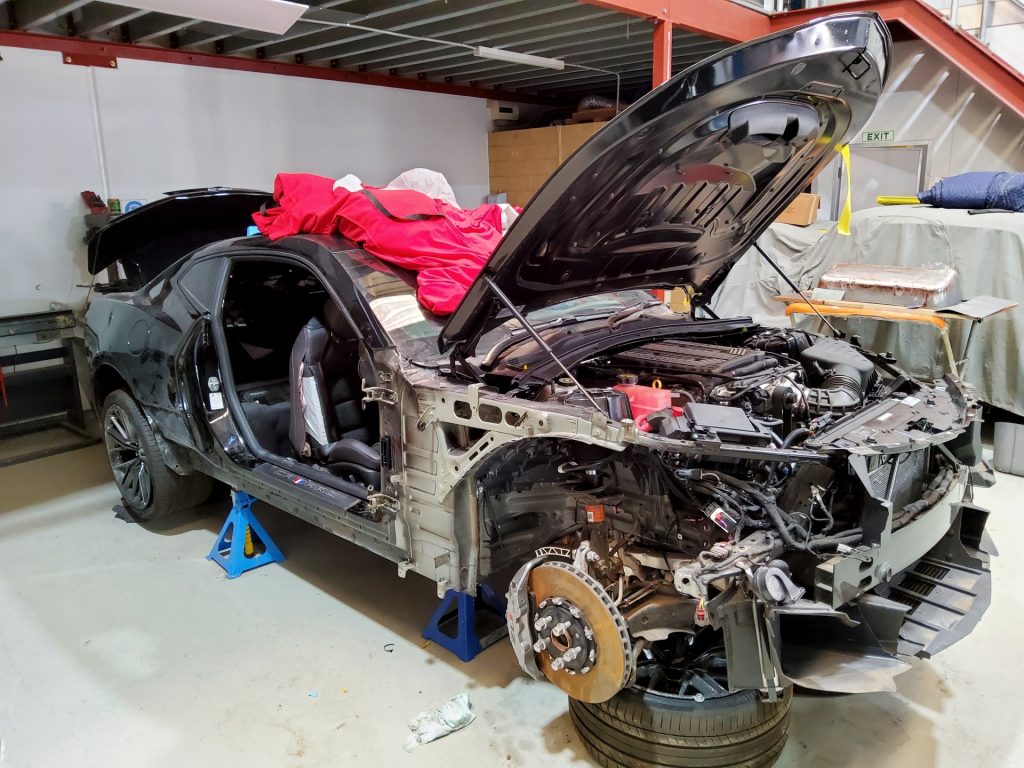
Choosing between a project car and a turnkey Camaro comes down to your workshop setup, available time and a brutally honest budget. Enthusiastic buyers regularly drag home basket‑case first‑gens, only to abandon them halfway when reality smashes into wallets and weekends.
Genuine restoration candidates need a covered workspace, a serious tool collection and mechanical skills that go well beyond weekend tinkering. That $25,000 “solid project” often needs another $40,000–$60,000 in parts and professional labour just to reach reliable, roadworthy condition – and that assumes your own labour is free.
Full restorations consume 18–24 months at minimum with dedicated weekend work, and 3–4 years is common for perfectionists. Engine‑bay detailing alone can swallow months if you’re chasing factory‑correct finishes, fasteners and hose routing.
Parts availability has a huge impact on momentum. Common mechanical pieces turn up quickly, but hunting down the correct date‑coded alternator, specific trim or original hardware can stall progress for months.
Turnkey cars cost more up front but sidestep uncertainty, workspace requirements and the relationship‑testing timelines that kill a lot of home restorations. Smart buyers weigh their actual skills, time and space against the romantic workshop fantasy before committing to a project shell.
Professional, no‑expense‑spared restorations frequently cost more than the finished car is worth on the open market. For most Camaro variants, that makes them labour‑of‑love projects, not financial investments.
Cruisin Automotive has been helping Australian Camaro enthusiasts with purchases, restorations and maintenance for over two decades. Contact us for professional pre‑purchase inspections or to discuss your classic Chevrolet Camaro plans with specialists who understand Australian conditions and compliance requirements.
General Motors ceased Camaro production in 2024 as global demand for coupes and sedans declined. Australian buyers, like the rest of the world, shifted hard toward SUVs and utes, making low‑slung sports cars a tough sell even with a legendary badge. Ironically, the end of production tends to help classic Camaro values – interest in vintage models is already rising as collectors factor in that no new ones are coming.
Classic Camaros do cost more to maintain than equivalent Australian muscle, mainly because of parts freight and the need for specialist knowledge. For a driven car, it’s sensible to budget around $2,500–$4,000 per year for consumables, minor repairs and preventative work. The good news is their simple mechanical design means most jobs don’t need dealer‑only diagnostic gear or complex electronics – a world away from many modern cars.
The 1977–1979 models are a strong reliability sweet spot: they still look and feel like classic Camaros, but most early‑production bugs had been sorted. In our workshop we see fewer electrical issues from this era, and parts availability is excellent. These cars also benefit from better rust protection than first‑generation models, which suffer much more in Australian conditions if not treated early.
First‑generation Camaros typically weigh around 1,450–1,550 kg depending on engine and options. Second‑generation cars picked up roughly 100–150 kg thanks to added safety gear and extra sound deadening. A 1969 SS396 usually comes in around 1,520 kg – roughly 200 kg heavier than a comparable Monaro. That extra weight affects handling balance and should be considered when choosing wheel, tyre and suspension setups.
Import costs, compliance work and scarcity all push Australian Camaro prices well above US values. A decent 1969 SS that might cost around USD $45,000 in America can easily land here at $70,000–$80,000 once you add freight, duties, compliance and dealer margin. Our distance from the main collector markets means fewer cars make it here, and strong demand from cashed‑up local buyers keeps nudging prices higher.